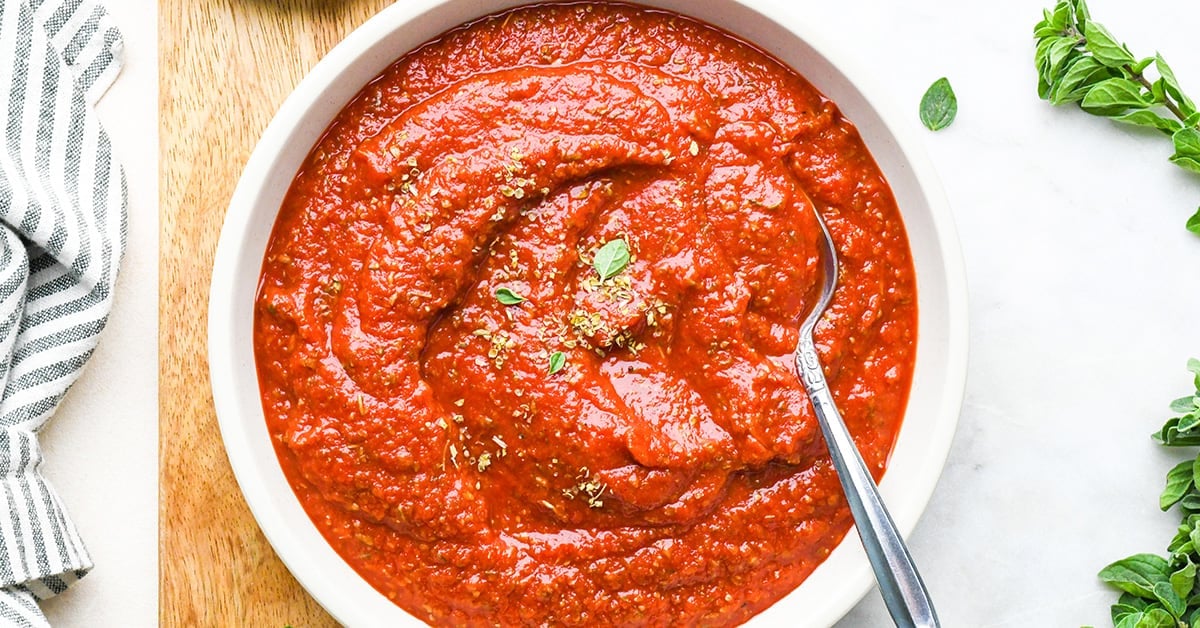
Unlocking the Secret to the Best Homemade Pizza Sauce
Imagine a pizza night where every bite is infused with the bright, fresh taste of authentic Italian flavors. The cornerstone of such a culinary experience? An incredible pizza sauce. Forget the jarred, overly sweet, or bland options. We're here to guide you through creating an easy homemade pizza sauce that promises an explosion of flavor with minimal effort and the simplest, highest-quality ingredients. This isn't just another pizza sauce recipe; it's a revelation.
Many people are surprised to learn that the best pizza sauce isn't simmered for hours, laden with a dozen spices, or even cooked at all before it hits your pizza crust. In fact, following the traditions of Naples, the birthplace of pizza, the most authentic and delicious pizza sauce is fresh, vibrant, and incredibly simple. It’s uncooked, allowing the pure taste of the tomatoes to shine through, transforming into a rich, complex flavor during the high-heat bake of your pizza. If you've been scarred by dense, dark red "spackle paste" sauces, prepare for a life-changing experience.
The Neapolitan Philosophy: Simplicity is the Ultimate Sophistication
The core principle behind truly exceptional pizza sauce, particularly in the Neapolitan tradition, is uncompromising simplicity and a reverence for top-tier ingredients. It’s a philosophy that eschews unnecessary complications, lengthy cooking times, and a "laundry list" of ingredients that often include un-Italian additions like sugar.
Why is this simplicity so crucial? When you cook a sauce before it even goes on the pizza, you risk dulling the fresh acidity and sweetness of the tomatoes. A real pizza sauce should be a canvas, not a finished painting. It develops its full character and depth of flavor in the oven, melding beautifully with the dough and toppings. The idea of a pre-cooked sauce is foreign to true Italian pizza making, a fundamental concept explored further in Why True Italian Pizza Sauce is Never Cooked.
So, what makes this pizza sauce recipe stand out? It's about letting a few star ingredients truly shine. You don't need to be an expert chef or have an Italian grandmother (though it certainly helps!) to achieve this level of flavor. You just need to select your components wisely and trust the process.
Building Your Best Pizza Sauce: Essential Ingredients
The beauty of a great pizza sauce recipe lies in its reliance on core, high-quality ingredients. Each one plays a vital role in creating that perfect balance of sweetness, acidity, and herbaceous notes. Here's what you'll need and how to choose them:
The Star: Tomatoes
- Quality Canned Tomatoes: For guaranteed consistency and flavor, especially outside of peak fresh tomato season, high-quality canned tomatoes are your best friend. Look for whole peeled San Marzano tomatoes, preferably those with the "DOP" (Denominazione d'Origine Protetta) label, which signifies their authentic origin and superior quality. These tomatoes are renowned for their delicate balance of sweetness and acidity, low seed count, and thin skins.
- Tomato Paste: For a quick and robust sauce, especially if you prefer a thicker consistency, good quality tomato paste can be an excellent base. When combined with water, it rehydrates to form a concentrated tomato flavor that cooks beautifully on the pizza.
- Consistency: If you prefer a smoother sauce without bits of tomato or seeds, opt for a good quality passata (strained tomatoes) or simply purée whole canned tomatoes in a blender or food processor until smooth.
The Liquid Gold: Extra Virgin Olive Oil
This is not the place to skimp. A good quality extra virgin olive oil (EVOO) adds a fruity, peppery depth that is irreplaceable. It emulsifies with the tomatoes and helps carry the flavors. A robust, cold-pressed EVOO will make a noticeable difference in the final taste of your homemade pizza sauce.
Aromatic Enhancements: Herbs and Spices
- Garlic: Freshly minced garlic adds a pungent, savory kick that mellows beautifully in the oven. It's a common addition in many homemade pizza sauces, providing a comforting aroma.
- Dried Oregano: Essential for that classic Italian flavor profile. Rub it between your palms before adding to release its aromatic oils.
- Dried Basil: While fresh basil is often torn and added to the pizza *after* baking for maximum aroma, a small amount of dried basil in the sauce can complement the oregano beautifully.
- Dried Rosemary (Optional): A pinch of crushed dried rosemary can add a subtle, earthy undertone, though it's less traditional than oregano and basil. Use sparingly to avoid overpowering the other flavors.
- Salt and Pepper: Crucial for seasoning. Use sea salt or kosher salt, and freshly ground black pepper to taste.
What NOT to Add (for authenticity)
You'll rarely find sugar in an authentic Italian pizza sauce. The natural sweetness of quality tomatoes should be enough. Also, avoid heavy spices or thickeners that can mask the fresh tomato flavor. Remember, we're going for fresh and light, not a heavy, cooked ragu.
Crafting Your No-Cook Masterpiece: A Simple Pizza Sauce Recipe
This pizza sauce recipe is designed for ease, speed, and maximum flavor impact. It’s a no-cook marvel that will elevate your homemade pizzas to pizzeria quality.
Ingredients:
- 1 (6 ounce) can tomato paste
- 1 cup water (or as needed, depending on desired consistency)
- ⅓ cup extra virgin olive oil
- 2 cloves garlic, minced (or 1 teaspoon garlic powder for milder flavor)
- ½ tablespoon dried oregano
- ½ tablespoon dried basil
- ½ teaspoon dried rosemary, crushed (optional, but a nice touch)
- ½ teaspoon sea salt, or to taste
- ¼ teaspoon freshly ground black pepper, or to taste
Instructions:
- Gather Your Ingredients: Lay out all your components. This simple step ensures you have everything on hand and makes the process seamless.
- Combine Wet Ingredients: In a medium bowl or a large jar, whisk together the tomato paste, water, and extra virgin olive oil until smooth. Start with 1 cup of water and adjust later if you prefer a thinner sauce. The goal is a spreadable, not watery, consistency.
- Add Aromatics and Seasoning: Stir in the minced garlic, dried oregano, dried basil, dried rosemary (if using), sea salt, and black pepper. Mix thoroughly until all ingredients are well combined.
- Rest for Flavor Blending: For the absolute best results, cover the sauce and let it stand in the refrigerator for at least several hours, or even better, overnight. This allows the flavors to meld and deepen, creating a much more harmonious and complex sauce. This crucial resting period transforms a simple mix into something truly special.
- Ready to Use: No cooking is necessary! Simply spread this fresh, uncooked sauce directly onto your pizza crust, add your favorite toppings, and bake.
Beyond the Basics: Tips for Elevating Your Homemade Pizza Sauce
While the above pizza sauce recipe is fantastic on its own, here are a few extra tips to ensure every pizza night is a triumph:
- Embrace Fresh Basil: For the truest Neapolitan touch, sprinkle fresh basil leaves on your pizza *after* it comes out of the oven. The heat of the pizza will gently warm the basil, releasing its volatile oils and intoxicating aroma without cooking it into submission.
- Consistency is Key: If you find your sauce too thick, add a tablespoon of water at a time until it reaches your desired spreadable consistency. Too thin? A little more tomato paste can fix it.
- Batch Cooking & Storage: This recipe scales beautifully. Make a larger batch and store it in an airtight container in the refrigerator for up to 5-7 days. It also freezes exceptionally well for up to 3 months. Portion it into ice cube trays or small containers for future pizza emergencies.
- Customization (with caution): While simplicity is king, a pinch of red pepper flakes can transform your pizza into a "pizza alla diavola" (devil's pizza) if you enjoy a spicy kick. Add it directly to the sauce for an even distribution of heat.
- Cheese Placement: Remember, authentic Italian Parmigiano Reggiano or Pecorino Romano is sprinkled *on* the pizza, not mixed into the sauce. This allows the cheese to melt and crisp, adding another layer of texture and flavor.
- Explore Authentic Roots: If you're intrigued by the purest form of Neapolitan pizza sauce, which often features only crushed San Marzano tomatoes, salt, and maybe a touch of olive oil, dive deeper with Master the Authentic No-Cook Neapolitan Pizza Sauce.
Conclusion: Your Easiest Path to Pizza Perfection
Making your own easy homemade pizza sauce is one of the most impactful steps you can take to revolutionize your homemade pizza. By focusing on simple, high-quality ingredients and embracing the no-cook philosophy, you unlock a fresh, vibrant flavor that store-bought options simply can't match. This pizza sauce recipe is more than just a list of steps; it's an invitation to taste the true essence of Italian pizza. So, gather your ingredients, follow these straightforward instructions, and prepare to amaze your taste buds ��� and your guests – with every single slice.
