Unveiling the True Art of Neapolitan Pizza Sauce: Simplicity, Freshness, Authenticity
In the culinary world, few things spark as much debate and passion as pizza. And at the heart of every truly exceptional pizza lies its sauce. Forget what you think you know about elaborate, slow-simmered concoctions; the authentic Neapolitan pizza sauce recipe defies convention by embracing an astonishing truth: it's never cooked before hitting your dough. This isn't just a shortcut; it's a sacred tradition that elevates the natural beauty of its few, high-quality ingredients.
Many home cooks fall prey to complex recipes featuring extensive ingredient lists, often including sugar, and lengthy simmering times. Yet, travel to Naples, the birthplace of pizza, and you'll discover a sauce that is remarkably fresh, vibrant, and incredibly simple. This article will guide you through mastering the no-cook Neapolitan pizza sauce, ensuring your homemade pizzas taste just like they came from a traditional pizzeria in Italy.
Why Authentic Pizza Sauce is Never Cooked: A Neapolitan Revelation
The concept of a no-cook pizza sauce often bewilders those accustomed to marinara-style sauces. However, for a truly authentic Neapolitan pizza, the sauce's role is not to be a pre-cooked, robust flavor bomb. Instead, it's designed to be a fresh, bright counterpoint that harmonizes with the other elements – the dough, the cheese, and the intense heat of a pizza oven. When you cook the sauce before applying it to the pizza, you essentially "double cook" the tomatoes, diminishing their fresh flavor and often leading to a denser, darker, and less vibrant result.
The secret lies in the quality of the tomatoes themselves. In Naples, the expectation is that the tomatoes will cook on the pizza, in the extreme heat of the oven, for just a few minutes. This rapid cooking process preserves their inherent sweetness and acidity, allowing their natural flavors to shine through without becoming muddied or overly reduced. It’s a testament to the philosophy that less is more, particularly when ingredients are of the highest caliber. For a deeper dive into this fascinating tradition, explore Why True Italian Pizza Sauce is Never Cooked.
The Essential Ingredients: Quality Over Quantity for Your Pizza Sauce Recipe
The beauty of an authentic Neapolitan pizza sauce recipe isn't in a long list of ingredients, but in the uncompromising quality of a select few. This minimalist approach allows each component to contribute significantly to the overall flavor profile. My mother, born just north of Naples, and her six incredibly talented sisters, are a testament to this tradition, understanding instinctively that superior ingredients are the bedrock of any great Italian dish.
1. The Star of the Show: Tomatoes
- Canned is King (Often): While fresh, ripe summer tomatoes can be wonderful, consistency and quality are paramount. In Italy, especially for pizza sauce, canned tomatoes are often preferred, even by grandmothers. Look for San Marzano D.O.P. (Denominazione di Origine Protetta) whole peeled tomatoes. These elongated plum tomatoes are grown in the volcanic soil of Mount Vesuvius, near Naples, offering a perfect balance of sweetness and acidity with fewer seeds.
- Recognizing Quality: Check for the D.O.P. seal on the can. If San Marzano D.O.P. are unavailable or out of budget, choose the best quality canned whole peeled plum tomatoes you can find. Avoid pre-seasoned or overly processed varieties.
- Preparation: You can gently crush whole peeled tomatoes by hand for a rustic texture, or for a smoother sauce, lightly purée them with an immersion blender or food processor. Avoid over-blending, which can aerate the sauce too much. A traditional Italian passata (strained tomato purée) is also an excellent option if you prefer a perfectly smooth consistency without any seeds or skins.
2. The Golden Liquid: Extra Virgin Olive Oil
- Uncompromising Quality: This is not the place to skimp. Use a high-quality extra virgin olive oil. Its fruity, sometimes peppery notes are integral to the flavor of the sauce. It acts as a binder, an emulsifier, and a key flavor enhancer.
3. The Aromatic Herbs: Basil and Oregano
- Fresh Basil is Best: Fresh basil leaves are non-negotiable for an authentic Neapolitan experience. Their delicate, sweet aroma is released during baking. Add them whole or gently torn.
- Dried Oregano (Optional, but Classic): While fresh basil is paramount, a pinch of dried oregano can also be added, particularly if you enjoy its slightly more robust, earthy flavor. It's often used as an alternative or complement, especially for specific regional variations.
4. The Flavor Enhancers: Salt and Garlic
- Sea Salt: Use a good quality fine sea salt. Season to taste, remembering that some ingredients (like cheese on top) will add more salinity.
- Garlic (Use Sparingly or Optional): This is where some recipes diverge. Many authentic Neapolitan sauces omit garlic entirely, letting the tomatoes shine. However, a very small amount of finely minced or grated fresh garlic can be added to the raw sauce for those who desire a subtle aromatic hint. The key is subtlety – it should not overpower the tomatoes.
What to AVOID in Your Pizza Sauce Recipe:
- Sugar: Absolutely NO sugar. Quality tomatoes are naturally sweet enough.
- Cooked Sauces: As discussed, the sauce cooks on the pizza.
- Excessive Herbs/Spices: Rosemary, dried basil (unless no fresh is available), fennel, onion powder, and other strong flavors detract from the delicate balance.
- Grated Cheese: Parmesan or Pecorino belong on the pizza after the sauce, not in the sauce itself.
Crafting Your Authentic No-Cook Neapolitan Pizza Sauce: A Simple "Recipe"
Preparing this authentic pizza sauce recipe is so straightforward, it barely qualifies as a "recipe" in the traditional sense. It's more about assembly and letting quality ingredients speak for themselves. You'll be amazed at the depth of flavor achieved with such minimal effort.
Ingredients:
- 1 (28-ounce) can San Marzano D.O.P. whole peeled tomatoes (or best quality available)
- 2-3 tablespoons high-quality extra virgin olive oil
- 1/2 teaspoon fine sea salt (or to taste)
- Small handful fresh basil leaves, torn
- (Optional) 1 small clove garlic, finely minced or grated
- (Optional) Pinch of dried oregano
Instructions:
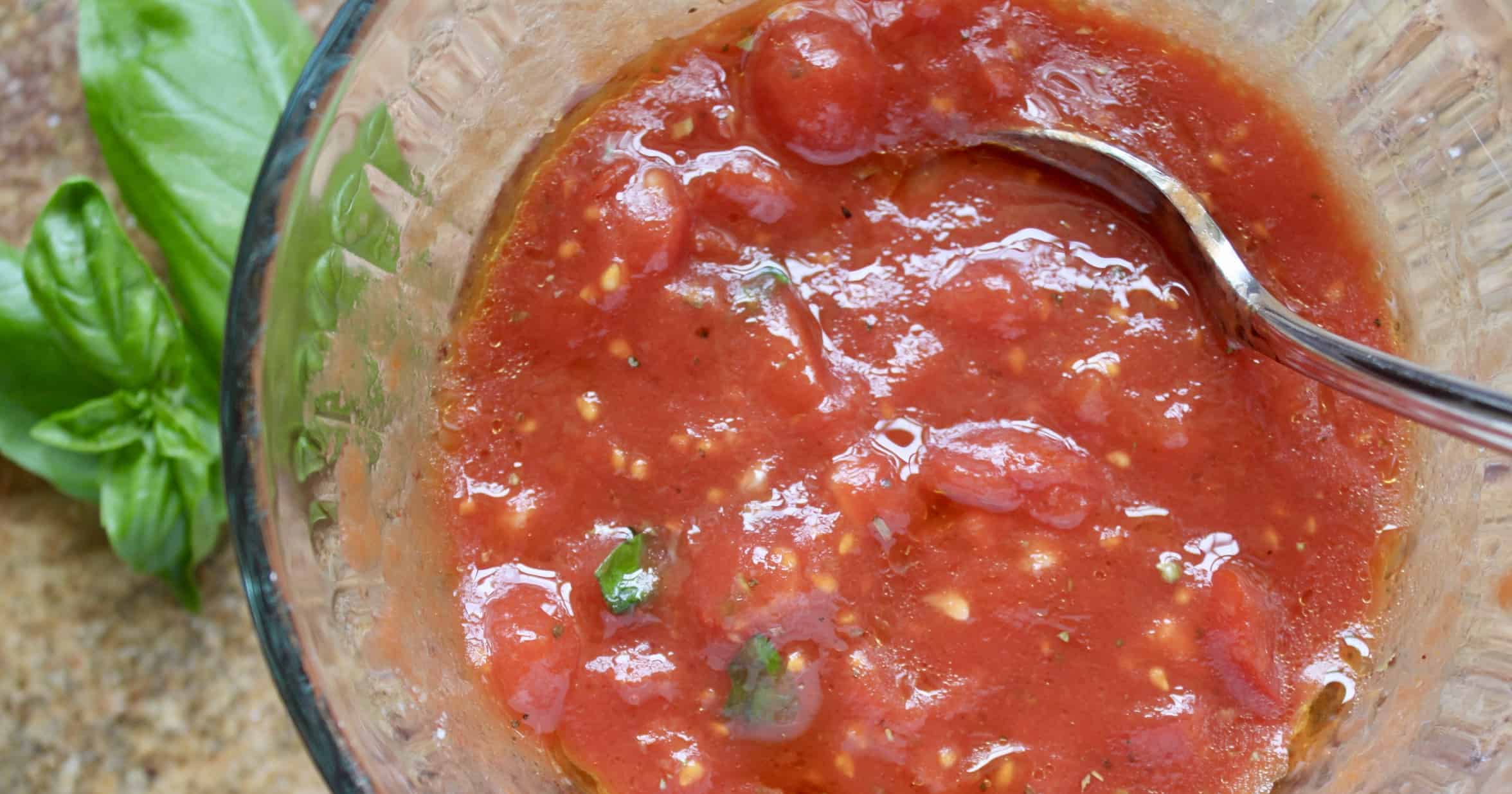
- Prepare the Tomatoes: Open your can of whole peeled tomatoes. If you prefer a rustic texture, gently crush the tomatoes by hand in a large bowl. For a smoother sauce, transfer them to a food processor or use an immersion blender and pulse briefly until desired consistency is reached. Be careful not to over-process; a little texture is desirable.
- Combine Ingredients: Add the extra virgin olive oil, sea salt, torn fresh basil leaves, and optional minced garlic and dried oregano to the crushed or lightly processed tomatoes.
- Mix Gently: Stir all ingredients together until well combined. Taste and adjust salt if necessary. Remember, the sauce will meld further on the pizza.
- Rest for Flavor Development (Crucial): For the best results, cover the bowl and allow the sauce to rest at room temperature for at least 30 minutes, or ideally several hours. This resting period allows the flavors to marry and deepen, making a significant difference to the final taste.
- Apply to Pizza: Your no-cook Neapolitan pizza sauce is now ready to be spread directly onto your pizza dough. Use it sparingly – a thin, even layer is all you need.
For more simple and delicious ideas, check out Easy Homemade Pizza Sauce: Best Flavor, Simple Ingredients.
Tips for Success and Avoiding Common Pitfalls
- Don't Over-Sauce: A common mistake is using too much sauce. A thin layer ensures the crust cooks properly and doesn't become soggy.
- Trust the Tomatoes: Let the quality of your tomatoes do the talking. Resist the urge to add too many extra ingredients.
- Season Thoughtfully: Taste your sauce before applying it. Remember that cheese and other toppings will also contribute to the overall salinity and flavor.
- Storage: Leftover sauce can be stored in an airtight container in the refrigerator for up to 3-4 days. It can also be frozen for longer storage.
- Embrace Imperfection: Hand-crushing tomatoes can leave some small pieces and seeds – this is authentic and contributes to the fresh texture.
Conclusion: The Simplicity of True Flavor
Mastering the authentic no-cook Neapolitan pizza sauce recipe is a revelation for anyone passionate about homemade pizza. It strips away unnecessary complexity, inviting you to appreciate the inherent deliciousness of fresh, high-quality ingredients. By adhering to this simple, traditional method, you're not just making a sauce; you're honoring centuries of Italian culinary heritage. The next time you embark on a pizza-making adventure, bypass the simmering pots and sugary additions. Embrace the freshness, the vibrant color, and the unparalleled flavor of a true Neapolitan sauce – it will undoubtedly transform your pizza experience.
