The Uncooked Truth: Why Authentic Italian Pizza Sauce Reigns Supreme
Forget everything you thought you knew about making the perfect pizza sauce. If your go-to
pizza sauce recipe involves simmering, sautéing, or a long list of ingredients, you might be missing out on the true essence of Italian pizza. The culinary secret shared by generations of Italian nonnas, especially those from Naples, the birthplace of pizza, is astonishingly simple: *true Italian pizza sauce is never cooked before it hits the dough*.
This revelation often surprises home cooks, accustomed to rich, pre-cooked sauces. But the beauty of authentic Neapolitan pizza sauce lies precisely in its uncooked nature. When spread thinly on the crust, the sauce transforms and cooks *with* the pizza in the intense heat of the oven. This method preserves the vibrant, fresh flavor of the tomatoes, allowing them to shine without becoming muddled or overly reduced. The result is a light, bright, and incredibly fresh-tasting sauce that perfectly complements the other toppings, rather than overpowering them. It avoids the dense, "spackle-like" texture often found in pre-cooked sauces, offering a delightful counterpoint to a crispy crust and melted cheese.
The Foundation: Embracing Simplicity in Your Pizza Sauce Recipe
The cornerstone of any authentic Italian dish is its unwavering commitment to simplicity and the highest quality ingredients. This philosophy is nowhere more evident than in a traditional Italian
pizza sauce recipe. Unlike many modern interpretations that include a dizzying array of spices, herbs, and even sugar, a genuine Neapolitan sauce embraces minimalism.
Why such a lean ingredient list? Because when you use truly exceptional components, they don't need to be masked or enhanced by countless additions. Each ingredient plays a crucial role, contributing to a harmonious flavor profile where the star – the tomato – can truly shine. This approach creates a sauce that is fresh, clean, and allows the natural sweetness and acidity of the tomatoes to come through unadulterated. So, if you're aiming for an authentic taste, resist the urge to complicate things. Less truly is more when crafting the perfect Italian pizza sauce.
Selecting Your Star Ingredients for the Perfect Pizza Sauce
The quality of your ingredients is paramount. Think of it as building a masterpiece – you wouldn't use inferior paints. Here's how to select the best for your homemade pizza sauce:
*
The Tomatoes: The Heart of the Sauce
This is non-negotiable. For guaranteed quality and unparalleled flavor, seek out whole, peeled San Marzano tomatoes. Look for the "DOP" (Denominazione d'Origine Protetta) certification on the can, which signifies that the tomatoes were grown in the rich volcanic soil around Mount Vesuvius in the Agro Sarnese-Nocerino region of Italy. These tomatoes are renowned for their balanced acidity, natural sweetness, and firm flesh.
While fresh, ripe tomatoes can be used, canned San Marzano tomatoes often offer more consistent quality, especially outside of peak growing seasons. If you prefer a smoother sauce without seeds or chunks, you can lightly purée the whole tomatoes in a blender or food processor, or use a high-quality tomato passata. The goal is a light, vibrant red color, not a dark, overcooked hue.
*
Extra Virgin Olive Oil: The Elixir of Flavor
A high-quality extra virgin olive oil (EVOO) is essential. Its fruity, sometimes peppery notes contribute significantly to the overall flavor and mouthfeel of the sauce. Choose a cold-pressed, first-press olive oil for the best results. It's not just a fat; it's a key flavor enhancer.
*
Fresh Herbs and Seasoning: Subtle Enhancements
*
Fresh Basil: Absolutely indispensable. Tear or chiffonade fresh basil leaves and add them to the sauce, or even directly onto the pizza before baking. Its aromatic sweetness perfectly complements the tomatoes.
*
Dried Oregano: A sprinkle of dried oregano adds that quintessential Mediterranean aroma. Ensure it’s good quality and not stale.
*
Sea Salt: A good pinch of fine sea salt is crucial for seasoning and bringing out the natural flavors of the tomatoes. Taste and adjust.
*
Garlic (Optional): While some purists omit it entirely to let the tomatoes truly star, a small amount of finely minced fresh garlic can add a subtle pungent depth. Add it raw to the sauce.
*
NO SUGAR: This is a critical point. Authentic Italian pizza sauce relies on the natural sweetness of high-quality tomatoes. Adding sugar is a common practice in many non-Italian recipes to counteract poor-quality or overly acidic tomatoes, but it has no place in a traditional sauce.
*
Hot Pepper Flakes (Optional): If you enjoy a bit of heat, a pinch of red pepper flakes can be added. In Italy, a spicy pizza is often called
pizza alla diavola, but the heat typically comes from spicy salami or toppings, not necessarily directly in the sauce.
For more simple yet flavorful pizza sauce ideas, consider checking out
Easy Homemade Pizza Sauce: Best Flavor, Simple Ingredients.
The Art of Assembly: Crafting Your No-Cook Pizza Sauce
With your superior ingredients in hand, preparing this authentic sauce is surprisingly easy – a testament to its genius.
1.
Prep Your Tomatoes: If using whole peeled tomatoes, gently crush them with your hands in a bowl. This traditional method helps break them down while retaining some texture. If you prefer a smoother consistency, briefly pulse them in a food processor or use a passata. Remember, you want a fresh, vibrant base, not a fully puréed paste.
2.
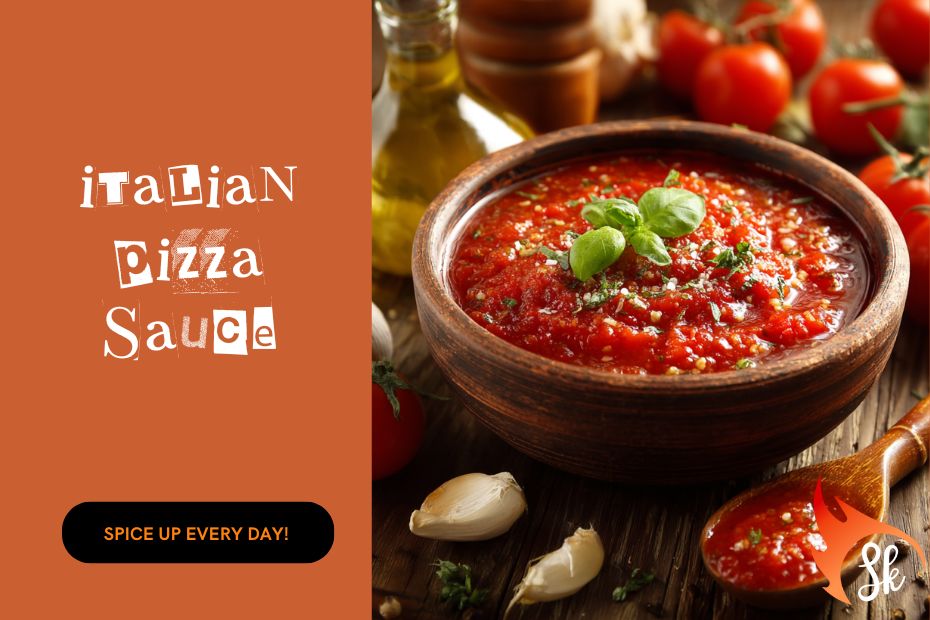
Combine Ingredients: In a medium bowl, combine your crushed tomatoes, a generous drizzle of high-quality extra virgin olive oil, a pinch of sea salt, and any optional minced garlic or dried oregano.
3.
Integrate Flavors: Mix everything well with a spoon. The key here is to combine, not to vigorously beat.
4.
Rest (Optional but Recommended): For the best results, cover the bowl and allow the sauce to rest at room temperature for at least a few hours. This allows the flavors to meld beautifully, creating a more complex and harmonious taste profile. If you have time, resting it for even longer (up to 24 hours in the refrigerator, allowing it to come to room temperature before use) can deepen the flavors further.
5.
Ready to Use: When you're ready to make your pizza, simply spread the uncooked sauce directly onto your pizza dough. There's no need for pre-cooking on the stovetop! The heat of the pizza oven will do all the work, transforming the fresh ingredients into a perfectly cooked, flavorful sauce.
To truly master this authentic approach, dive deeper into specific techniques with resources like
Master the Authentic No-Cook Neapolitan Pizza Sauce.
Beyond the Sauce: The Full Italian Pizza Experience
While this exquisite, uncooked pizza sauce is a cornerstone, it's part of a larger symphony of flavors that define authentic Italian pizza. It works in harmony with a perfectly crafted dough – often a simple blend of flour, water, yeast, and salt, fermented slowly for a light, airy, and chewy crust. The toppings, too, remain minimalistic: typically fresh mozzarella (like fior di latte or buffalo mozzarella), and perhaps a few basil leaves or a drizzle of olive oil after baking. The high heat of a traditional pizza oven, cooking a pizza in mere minutes, is also crucial, resulting in a perfectly blistered crust and a sauce that cooks just enough to warm through and release its incredible aromas.
Embracing the simplicity of a no-cook pizza sauce is the first step towards experiencing pizza as it was meant to be – a celebration of fresh, high-quality ingredients, prepared with respect for tradition. It’s a testament to the idea that sometimes, the simplest methods yield the most profound and satisfying results.
In conclusion, the secret to a truly authentic Italian pizza sauce lies in its unwavering simplicity and the revolutionary act of *not cooking it* beforehand. By focusing on top-tier San Marzano tomatoes, premium extra virgin olive oil, fresh basil, and a touch of salt, you honor centuries of culinary tradition. This method ensures a sauce that is bright, fresh, and intensely flavorful, complementing your pizza without overwhelming it. So, the next time you're crafting homemade pizza, challenge the conventional wisdom and try this no-cook **pizza sauce recipe**. You'll discover a world of vibrant, authentic Italian taste that will undoubtedly change your pizza game forever.